
The extent of plastic pollution is now widely recognized and frequently covered in the media. One of the issues surrounding this pollution involves the additives used to meet the needs of manufacturers and consumers. These additives are used to modify mechanical properties, particularly to make plastics more flexible and durable.
Ubiquitous in our environment, plastic additives (plasticizers) fall into several chemical families, the most common of which are phthalates and bisphenols. Since they are not chemically bonded to the polymer, they can easily leach into the environment and into materials that come into contact with the plastic. The degradation of the plastic accelerates this process (heat, solar radiation, abrasion).
These molecules, which belong to the SVOC (Semi-Volatile Organic Compounds) family, are not very volatile at room temperature. In the presence of a heat source, they become gaseous and contaminate the ambient air. Plasticizers also settle on dust particles, the finest of which are suspended in the air we breathe. In the home, the primary source of exposure to plasticizers is therefore the ambient air and the dust particles it carries. Furthermore, phthalates are the leading organic pollutants in household dust.Read our article on plastic pollution in homes.
These substances are recognized by national (ANSES) and European (ECHA) health authorities as endocrine disruptors, and several are classified as chemicals toxic to reproduction and substances of very high concern (SVHCs).
Endocrine disruptors alter the body’s functioning by affecting the production, transport, and expression of hormones, which act as the body’s chemical messengers. Hormones play a role in cellular function.
Hormones are chemicals present in the body at very low concentrations, and the hormone receptors on cells are highly sensitive. Endocrine disruptors can act at very low doses by mimicking or blocking the action of natural hormones. In practical terms, when it comes to endocrine disruptors, it’s not the dose that makes the poison! Thus, the mere presence of an endocrine disruptor can have an impact on the functioning of the exposed body. Several scientific studies suggest strong links to chronic diseases such as hormone-dependent cancers (breast, ovarian, testicular, and thyroid), precocious puberty, reduced fertility, diabetes, and obesity.
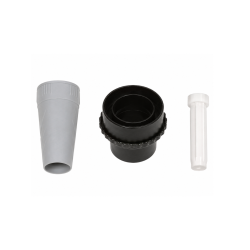
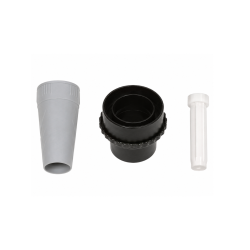
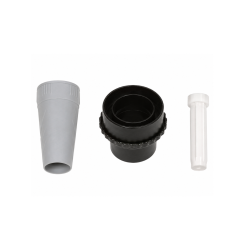
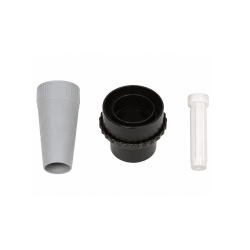
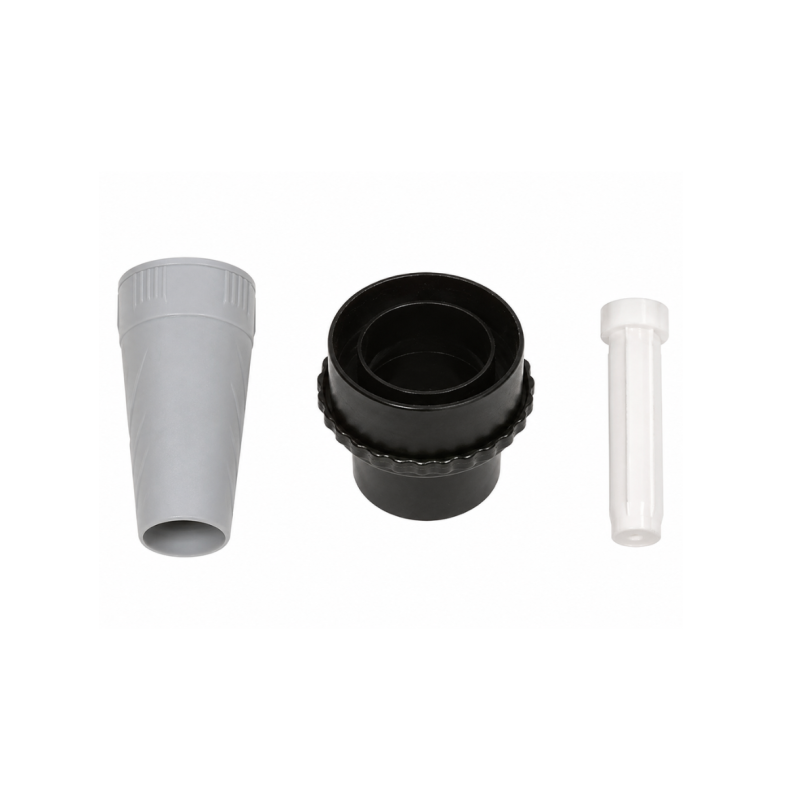
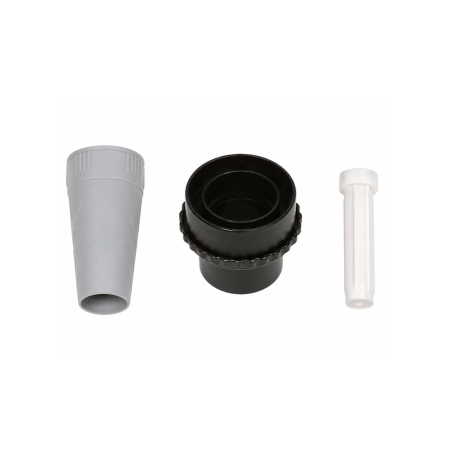
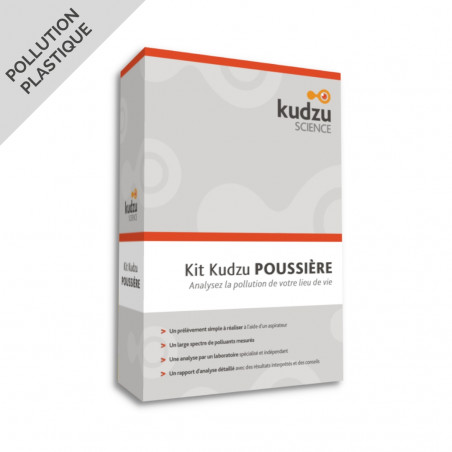
This test kit allows you to measure the level of plasticizer contamination in your indoor environment. The dust collection device is very easy to use: simply attach a collection filter to the hose of a household vacuum cleaner and then vacuum the room to be tested. The collected dust is analyzed in a laboratory to identify and quantify the pollutants present. In the absence of regulations or guideline values, the results are compared to statistical data compiled by the laboratory (based on data collected since 2019).
This kit will allow you to test for 12 plasticizers that may be present in the dust in your home.
Plasticizers can cause numerous health problems. Some of them are endocrine disruptors and are suspected of being toxic to reproduction. Chronic exposure can have consequences for your health, which is why it’s important to know the level of contamination in your living environment.
You can also measure your exposure to plasticizers using our Hair Plastic Pollution Kit or ourWristband Plastic Pollution Kit.
The analysis focuses on two widely used classes of plasticizers.
Phthalates
This family of additives is also widely used in the industrial manufacture of plastics (as a monomer in polycarbonate and as an additive in epoxy resins). The following bisphenols are analyzed:
- Bisphenol A (BPA): It is classified by the Member States Committee of the European Chemicals Agency (ECHA) as a substance of very high concern under the REACH Regulation, given its reprotoxic and endocrine-disrupting properties. Food was the primary source of BPA exposure for the general population, mainly through the inner lining of food cans. In France, its use has been banned in baby bottles (since 2010) and all food containers (since 2015). It was also widely used in the printing of receipt paper, but this use has also been banned (since 2020).
- Bisphenol-F (BPF): It has multiple applications in lacquers, varnishes, plastic adhesives, water pipes, dental amalgams, and more. Like BPA, it is banned for use in food containers but continues to be used in thermal printing paper.
- Bisphenol-S (BPS): BPS is the only bisphenol that remains authorized for use in food containers. As a result, its use has skyrocketed since the ban on BPA, even though there is no evidence that it is less toxic than BPA (many studies conclude that it is just as much an endocrine disruptor as BPA).
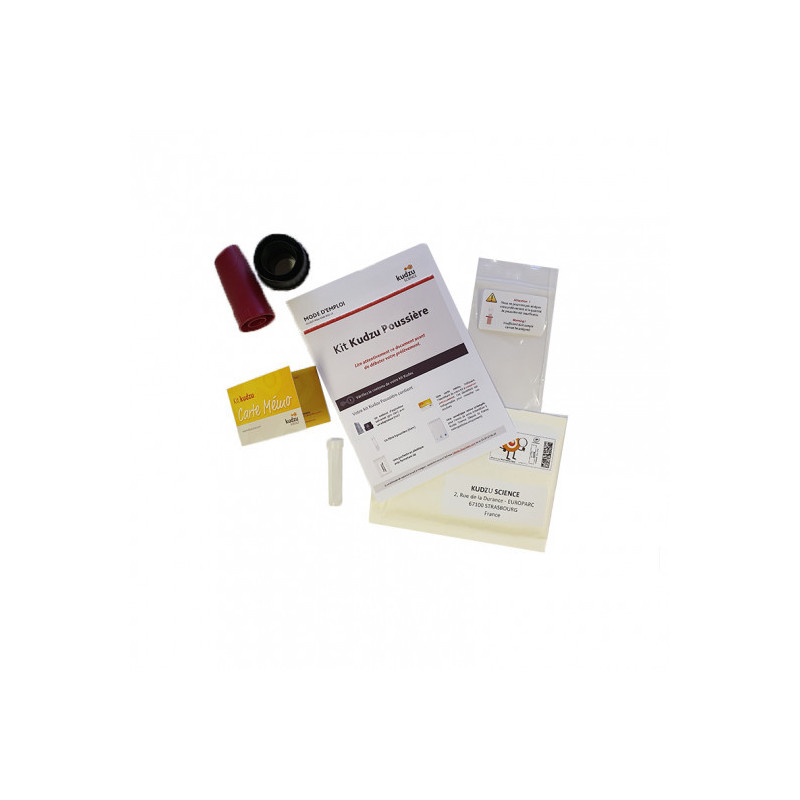
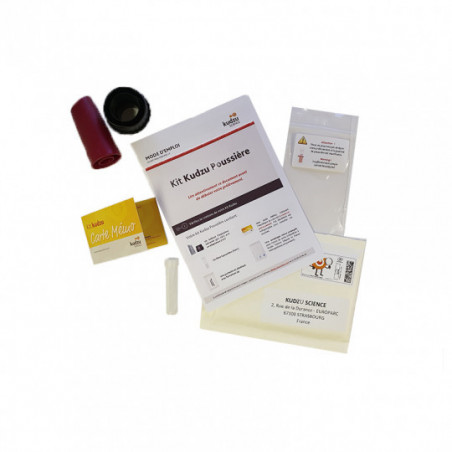
Everything is included inyour testing kit:
Your report will be available for direct download from the“My Kudzu Kit” sectionof our website within 15 business days after your sample is received at the laboratory. This turnaround time is reduced to 5 days if you select the “express” option.
You will receive a comprehensive, personalized, and interpreted analysis report detailing your results, information on the pollutants tested for, and advice on how to limit your exposure to plasticizers. It is designed to allow you to quickly and easily compare your results with those obtained during measurement campaigns conducted by the laboratory.
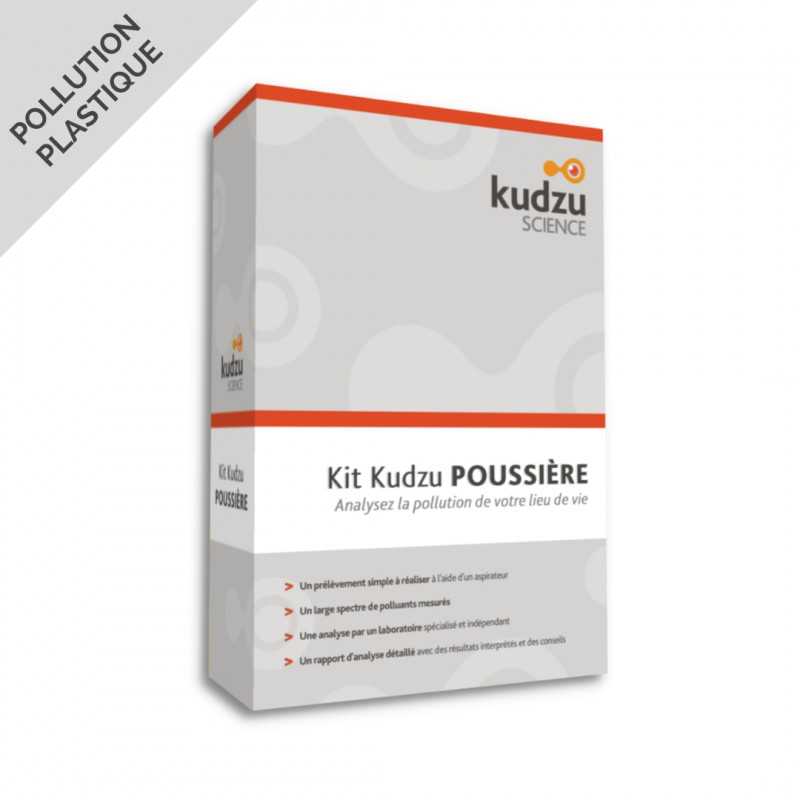
The Plastic Pollution and Dust Kit allows you to assess the level of contamination in your home from endocrine-disrupting plasticizers. This will help you determine whether you are exposed to these compounds, which are harmful to your health, and enable you to take steps to improve the quality of your living environment.