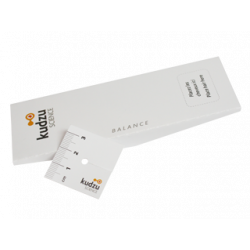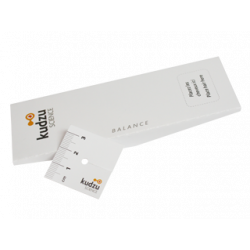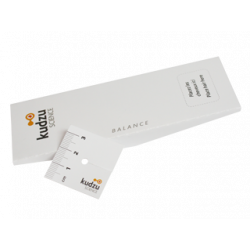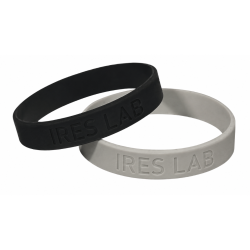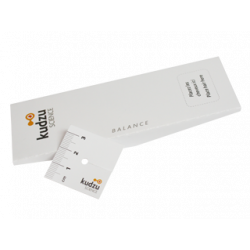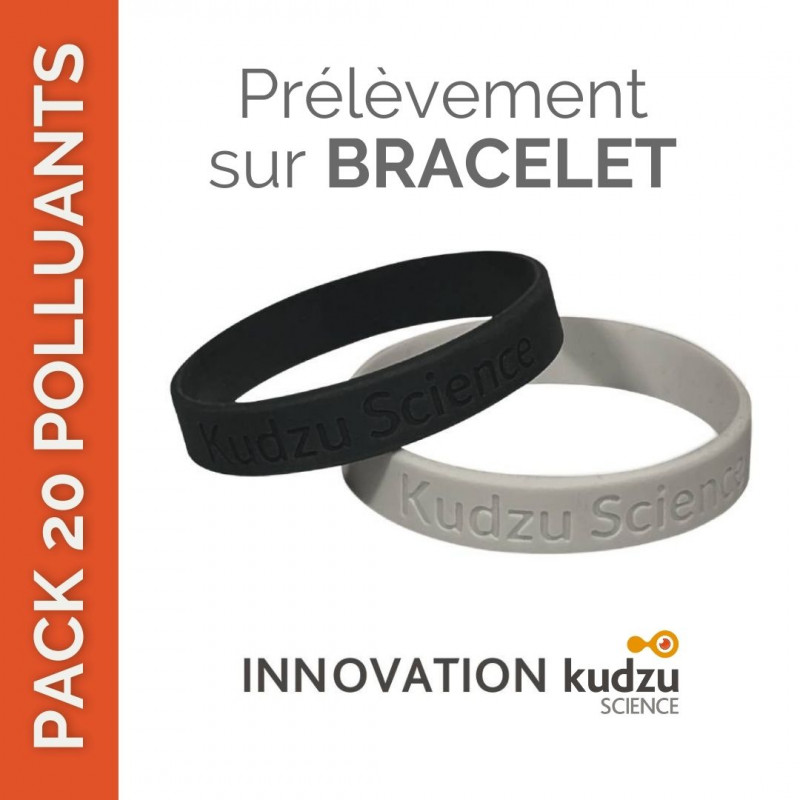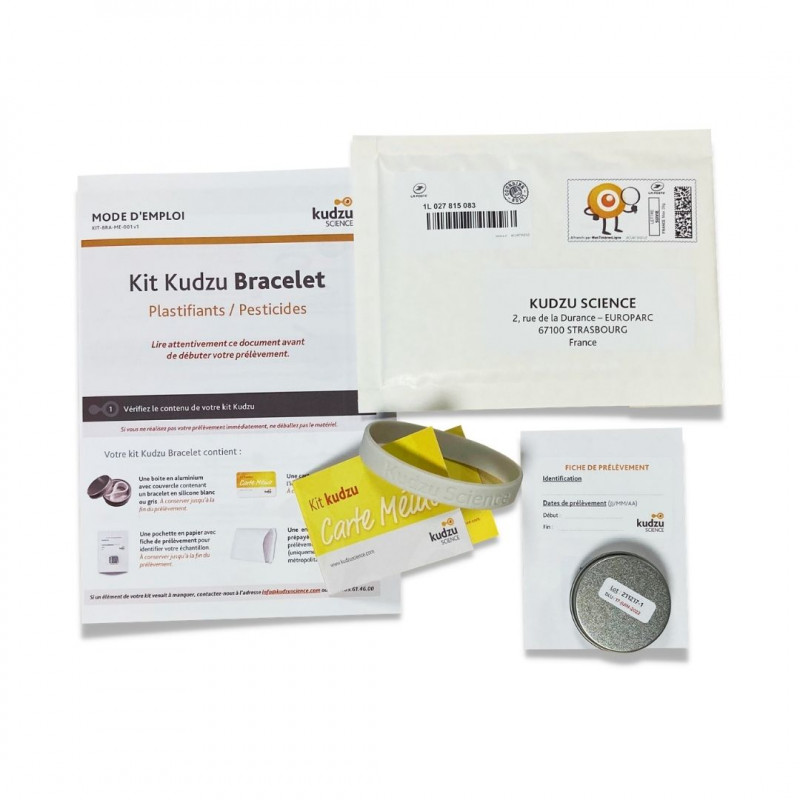


This analysis kit contains a silicone wristband that must be worn continuously for 7 days.
With its exceptional absorbent properties, silicone is a particularly useful material for measuring environmental pollution. When worn as a wristband for a week, it accumulates the pollutants to which the body is exposed. Contrary to popular belief, silicone is not made of plastic or hydrocarbons, but of silicon, an element found in nature.
Laboratory analysis of the wristband identifies the pollutants to which you are exposed and determines the level of pollution. The results are compared to human exposure statistics established by Kudzu Science.
Plasticizers
The scale of plastic pollution is now widely recognized and frequently covered in the media. One of the issues surrounding this pollution involves the additives used to meet the needs of manufacturers and consumers. These additives are used to modify mechanical properties, particularly to make plastics more flexible and durable.
Ubiquitous in our environment, plastic additives (plasticizers) fall into several chemical families, the most common of which are phthalates and bisphenols. Since they are not chemically bonded to the polymer, they can easily leach into the environment and into materials that come into contact with the plastic. The degradation of plastic accelerates this process (heat, solar radiation, abrasion).
Pesticides
Also ubiquitous in our environment, pesticides are now a major public health concern. Exposure to pesticides occurs mainlythrough ingestion and inhalation, but also throughhousehold activities(use of mosquito repellents, treating pets, etc.) and throughthe air we breathe(agricultural spraying, contamination of homes, etc.). If you live nearagricultural areas(fields, vineyards, orchards, etc.), you may be exposed to pesticides, which can be carried by the windfor several kilometers beyond the application area.
Furthermore,sources of non-agricultural pesticide emissions are widely underestimated.Wooden structures(roof trusses, antique wooden furniture, etc.) are treated to prevent damage from mold or insects.Insecticidessuch as mosquitorepellents,veterinary products(antiparasitics),mite treatments, and evenplant protection productssuch as herbicides or insecticides sold in supermarkets and garden centers only add to the list of pollutants surrounding us.
Sincepesticides found indoorsare not subject to the same weather conditions and biological degradation as those outdoors, theytend to accumulate there. Most of them are toxic, andchronic exposure—even at low concentrations—poses health risks(effects on development and reproduction, neurotoxicity, endocrine disruption, etc.). If your home or workplace is contaminated, you may be inhaling these molecules while you’re there.
Endocrine Disruptors
Aside from ingestion—which is not assessed through wristband sampling—exposure to these plasticizers and pesticides also occursthrough inhalation of airbornedust: these molecules, which belong to the SVOC (Semi-Volatile Organic Compounds) family, are not very volatile at room temperature and bind to dust particles, the finest of which enter the body through the lungs. Phthalates are the primary organic pollutants in household dust.
These substances are recognized by national (ANSES) and European (ECHA) health authorities as endocrine disruptors, and several are classified as chemicals toxic to reproduction and substances of very high concern (SVHCs).
Endocrine disruptors alter the body’s functioning by affecting the production, transport, and expression of hormones, which act as the body’s chemical messengers. These molecules are present in the body at very low concentrations, and the cells’ hormone receptors are highly sensitive. Endocrine disruptors can act at very low doses by mimicking or blocking the action of natural hormones. In practical terms, the mere presence of an endocrine disruptor can affect the functioning of the exposed organism. Several scientific studies suggest strong links to chronic diseases such as hormone-dependent cancers (breast, ovarian, testicular, and thyroid), precocious puberty, reduced fertility, diabetes, and obesity.
This testing kitmeasures your exposure to 12 plasticizers and 8 pesticides. The wristband sampling process isvery simple: after wearing the wristband continuously for 7 days and returning it to Kudzu Science, it isanalyzed in a laboratory to identify and quantify the pollutantspresent. In the absence of guideline values, the results are compared to statistical data established by the laboratory.
This kit will allow you to test for the presence of 20 potential endocrine disruptors in your body all at once.
Plasticizers and pesticides can cause numerous health problems. Chronic exposure can have consequences for your health, which is why it’s important to know your level of exposure.
Would you like to measure only your exposure to plasticizers or pesticides? Check out our separate kits:Pesticide Wristband KitandPlastic Pollution Wristband Kit
You can also measure your exposure to plasticizers in your hair using ourPlastic Pollution Hair Kit.
The analysis of the silicone wristband covers two categories of pollutants: plasticizers and pesticides. Here are a few examples:
Phthalates
This family of additives is also widely used in industrial plastic manufacturing (as a monomer in polycarbonate and as an additive in epoxy resins). The following bisphenols are analyzed: Bisphenol-A (BPA), Bisphenol-F (BPF), and Bisphenol-S (BPS).
- BPA is classified as a substance of very high concern due to its reprotoxic and endocrine-disrupting properties. Food was the primary source of BPA exposure for the general population, mainly through the inner lining of food cans. In France, its use is prohibited in baby bottles and all food containers. It was also widely used in the printing of receipt paper, but this use has also been banned (since 2020).
- BPF is also banned for use in food containers but continues to be used in thermal printing paper.
- BPS is the only bisphenol that remains authorized for use in food containers. As a result, its use has skyrocketed since the BPA ban, even though there is no evidence that it is less toxic than BPA (many studies conclude that it is just as much an endocrine disruptor as BPA).
You can find more detailed information on the pages for each kit:Plastic Pollution BraceletandPesticides Bracelet.
Everything is included in your analysis kit:
This kit is the easiest to use: simply unpack the bracelet, wear it continuously for 7 days, and return it to us (after making sure to pack it properly).
Instructions for Use: Wristband Kit
Your report will be available for direct download from the“My Kudzu Kit” sectionof our website within 15 business days after your sample is received at the lab. This timeframe is reduced to 5 days if you select the “express” option.
You will receive a comprehensive, personalized, and interpreted analysis report detailing your results, information on the pollutants tested for, and advice on how to limit your exposure to plasticizers. It is designed to allow you to quickly and easily compare your results with those obtained during measurement campaigns conducted by the laboratory.
TheEndocrine DisruptorsPackincludes two kits:the Plastic Pollution Braceletandthe Pesticides Bracelet. With just one sample, you’ll be able to determine whether you’re exposed to all these compounds that are harmful to your health and take steps to limit your exposure.