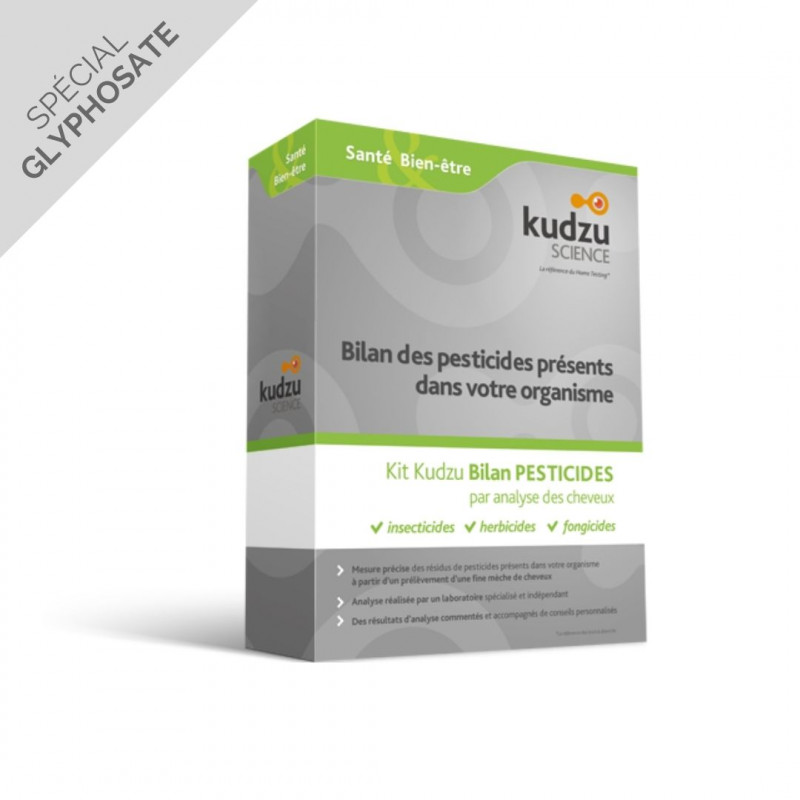
Description of the Test Kit
Glyphosate is a non-selective herbicide that has been in use since the early 1970s. It is used in agricultural, urban, and forestry settings as well as in households, making itthe most widely used herbicide in the world. To facilitate its use, glyphosate-resistant genetically modified crops have been brought to market. The widespread use of glyphosate has led to its significant presence in our environment: in water, air, soil, and food. A study by Générations Futures found glyphosate in 100% of the urine samples from 30 individuals tested. Finally, glyphosate was classified as “potentially carcinogenic” by the WHO in 2015.AMPA (aminomethylphosphonic acid) is the main degradation product of glyphosate.
Glufosinate is a herbicide found primarily in the form of a salt: ammonium glufosinate. Like glyphosate, it is a non-selective herbicide. It was developed in the 1970s. Its use is on the rise because it can be used against weeds resistant to glyphosate.
Studies have described various adverse effects of glyphosate, ranging from skin irritation and sore throat to lung dysfunction. One study demonstrated toxic effects on the liver in rats. After two years of exposure to glyphosate at levels below those set by European regulations, the rats tended to develop non-alcoholic fatty liver disease. This condition involves a buildup of fat in the liver, known as steatosis, accompanied by several liver lesions: inflammation, ballooning, Mallory bodies (clusters of microfilaments), and necrosis of liver cells.
Furthermore, it appears that glyphosate causes congenital abnormalities. It disrupts the retinoic acid signaling pathway—retinoic acid is an active derivative of vitamin A—which leads to genetic dysregulation affecting the development of the central nervous system. Retinoic acid also regulates cell proliferation and differentiation, hence the risk of physical malformations associated with glyphosate exposure. Exposure to glyphosate has led to an increase in miscarriages and birth defects.
Due to its antiparasitic effect, glyphosate disrupts the balance of the gut microbiome. This microbiome is essential for the immune, nervous, and metabolic systems.
According to the Pesticide Properties Database (PPDB), glyphosate is classified under the categories “effects on reproduction and development,” “neurotoxic,” and “mutagenic.” It is a potential carcinogen and endocrine disruptor.
List of pollutants analyzed
- Glyphosate - Herbicide - CAS No. 1071-83-6
- Glufosinate - Herbicide - CAS No. 51276-47-2
- AMPA - Degradation product - CAS No. 1066-51-9
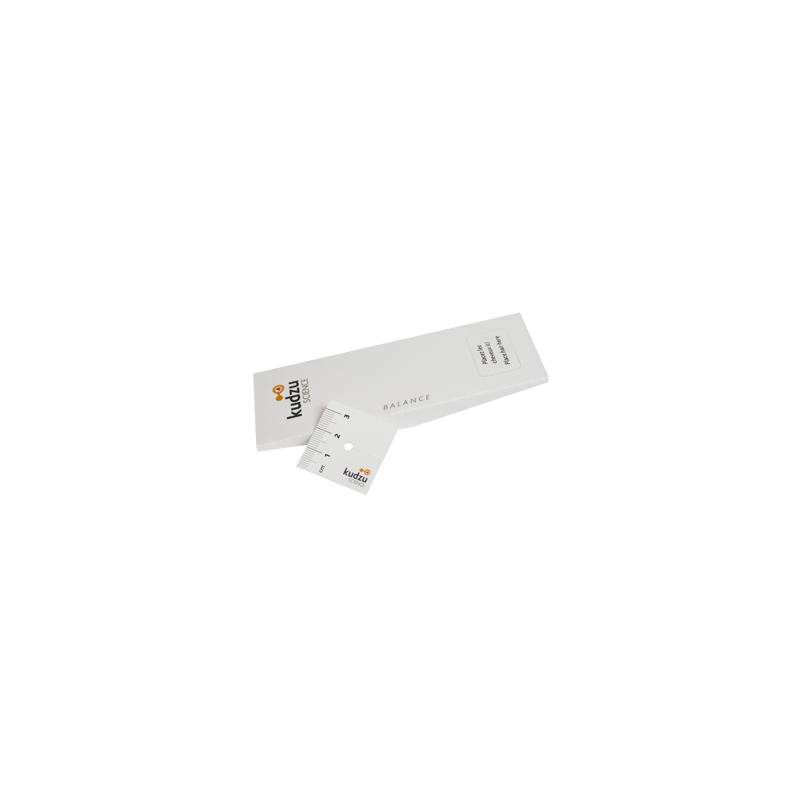
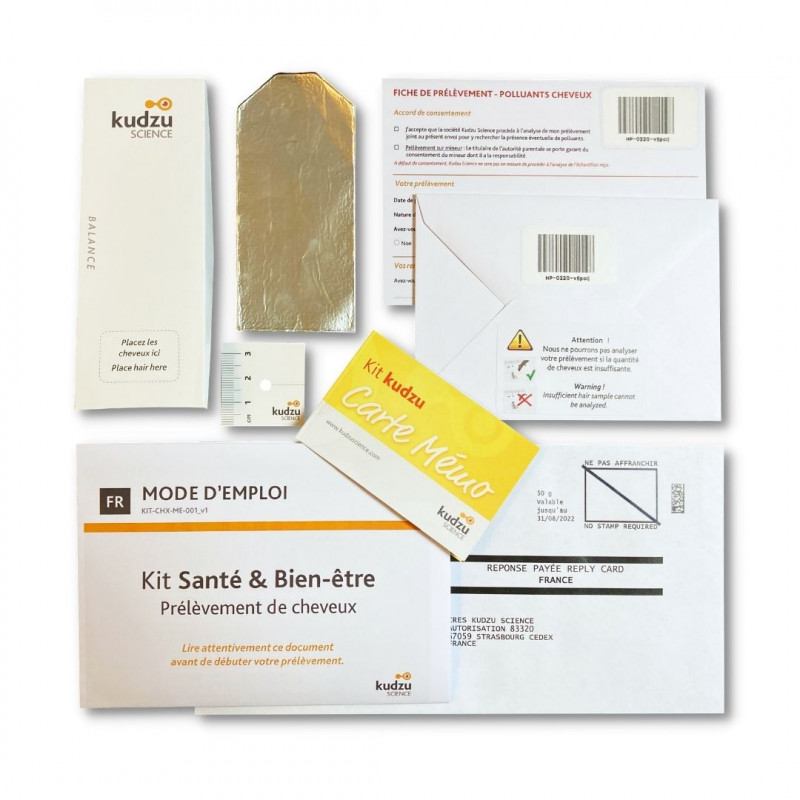
Contents of a testing kit
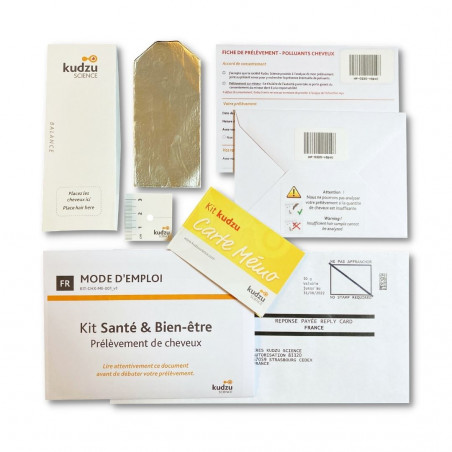
Everything is included in your test kit:
- 1 detailed instruction manual
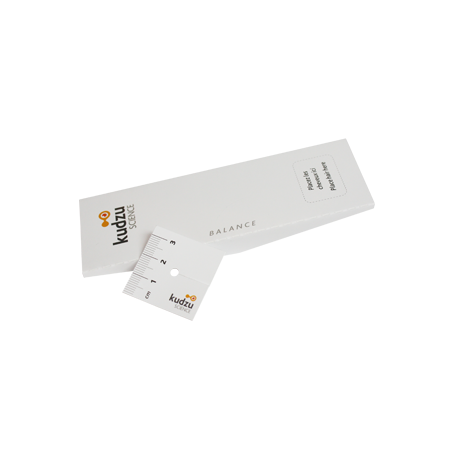
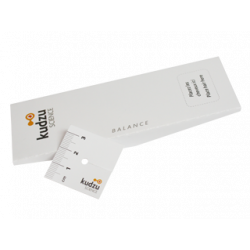
- 1 hair sample collection kit
- 1 sample collection form
- 1 prepaid return envelope (Metropolitan France only)
- 1 analysis
- 1 comprehensive, personalized, and interpreted report with details of your results
How to Use the Testing Kit
Results and turnaround time
The report will be available no later than 20 business days after the sample is received by the laboratory.