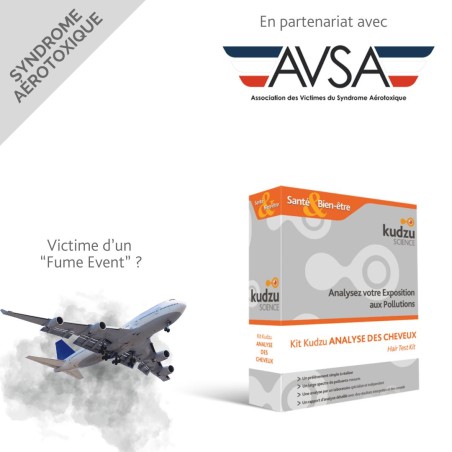

The terms “Fume Event” and “Smoke Event”are used to describe an indoor air quality problem on airplanes. They are characterized by the presence of a strong, unpleasant odor (such as wet dog or dirty socks) or smoke in the aircraft cabin, respectively. The air we breathe in aircraft cabins is compressed and heated by the aircraft’s engines. The air supply system is separate from the system used to power the aircraft. The air is compressed by turbines lubricated with high-temperature oil. When the seals deteriorate, significant amounts of aircraft engine oil are released into the cabin, resulting in chronic and acute exposure for occupants (pilots, flight crew, and passengers). Studies conducted by the EASA (European Union Aviation Safety Agency) show widespread contamination of the interior air in all aircraft cabins by aircraft engine oil residues.
Tri-Cresyl Phosphate (TCP) is a chemical belonging to the organophosphate family. These organophosphate compounds are well known for their neurotoxicity (acetylcholinesterase inhibitors). Molecules in this chemical family are used as chemical weapons (sarin gas), as insecticides (chlorpyrifos, malathion, etc.), and as plasticizers (tributyl phosphate and triphenyl phosphate). TCP is used as a flame retardant in aircraft engine oil. There are 10 different isomers of TCP, and only 4 isomers (TmmmCP, TmmpCP, TmppCP, and TpppCP) are present in the world’s most widely used aircraft engine oil (Mobil Jet Oil II).
During a Fume Event orSmoke Event, significant amounts of aircraft engine oil are released into the cabin, and occupants are exposed to these neurotoxic substances at levels that can sometimes be very high. Acute exposure to TCP can lead to severe and sometimes irreversible neurological disorders.
Hair analysis makes it possible to assess exposure to the isomers of tricresyl phosphate present in aircraft engine oil to which aircraft occupants are exposed.
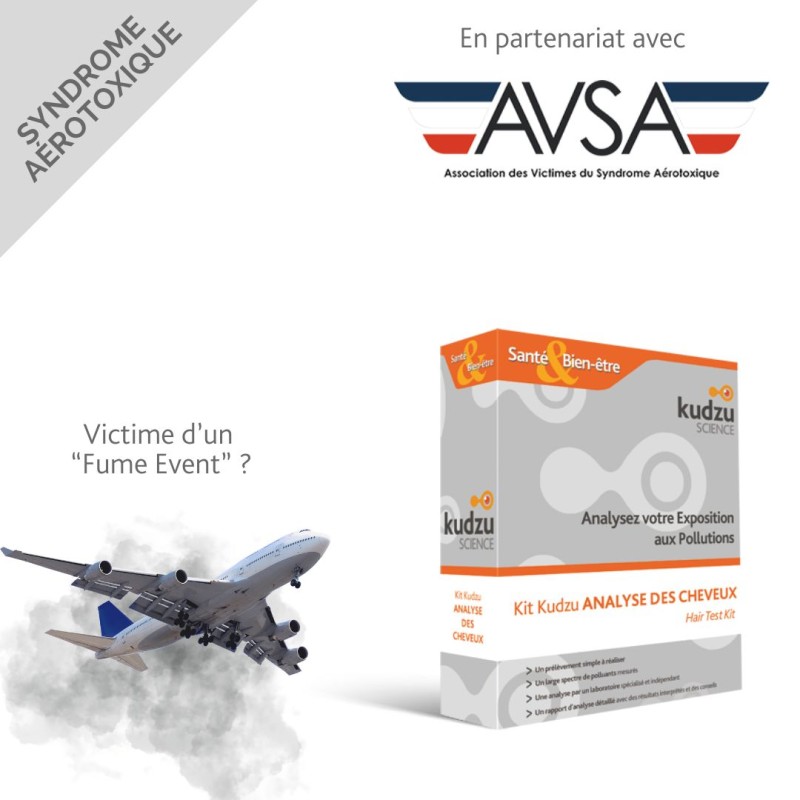
The AVSA isthe Association of Victims of Aerotoxic Syndromeaffecting flight crew. This association funded the research and development of the method for analyzing TCP in hair. It provides support for individuals exposed to aircraft engine oil residues during a “smoke event” and suffering from neurological disorders related to aerotoxic syndrome.
- Tri-mmm-Cresyl-Phosphate (TmmmCP) - CAS No. 563-04-2
- Tri-mmp-Cresyl-Phosphate (TmmpCP)* - CAS No. unavailable
- Tri-mpp-Cresyl-Phosphate (TmppCP)* - CAS No. unavailable
- Tri-ooo-Cresyl Phosphate (ToooCP) - CAS No. 78-30-8
- Tri-p-cresyl phosphate (TpCP) - CAS No. 7832-0
* Concentrations of TmmpCP and TmppCP are given in TmmmCP equivalents.
Minimum order required: 5 kits.
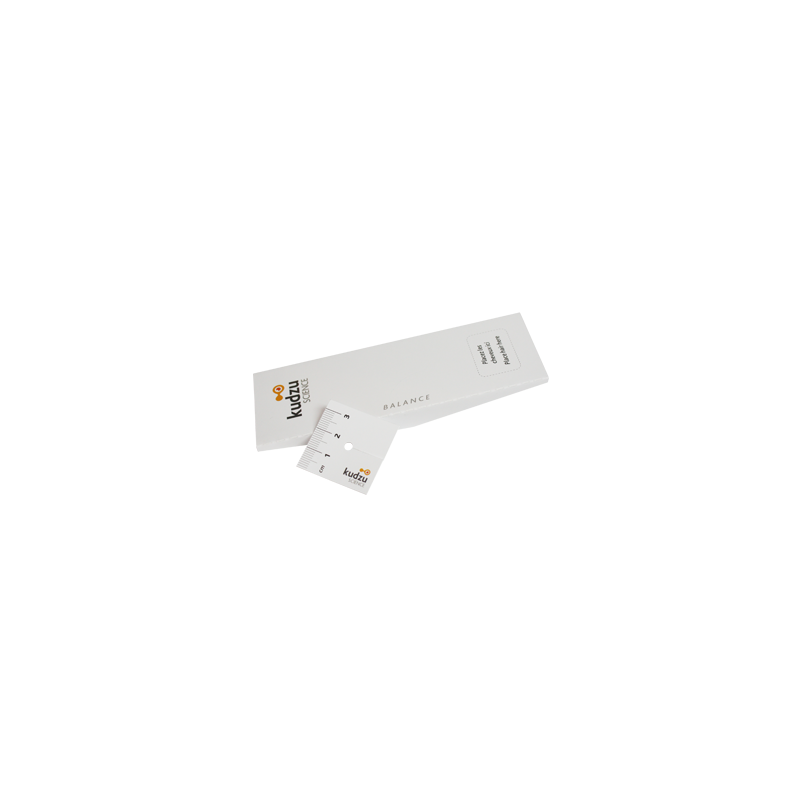
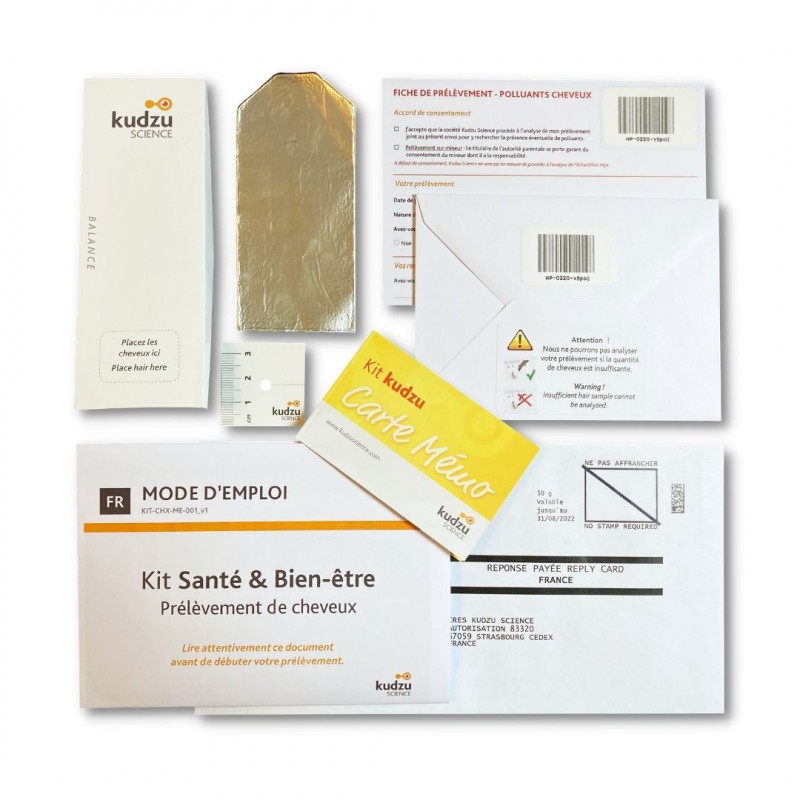
This hair analysis kit measures your exposure to tri-cresyl phosphates, chemicals found in the indoor air of airplane cabins that originate from aircraft engine oil. These flame retardants are neurotoxic and are released in significant quantities during a “Fume Event.”