Self-assessment, which was previously optional, is now a mandatory and essential step that must be conducted or updated regularly, at least every 4 years. It focuses in particular on:
• the identification and methods for reducing sources of pollutant emissions, whether they originate from materials, equipment, or activities carried out;
• the maintenance of the facility’s ventilation systems and air circulation equipment;
• reducing occupants’ exposure to pollutants resulting, in particular, from construction work and cleaning activities.
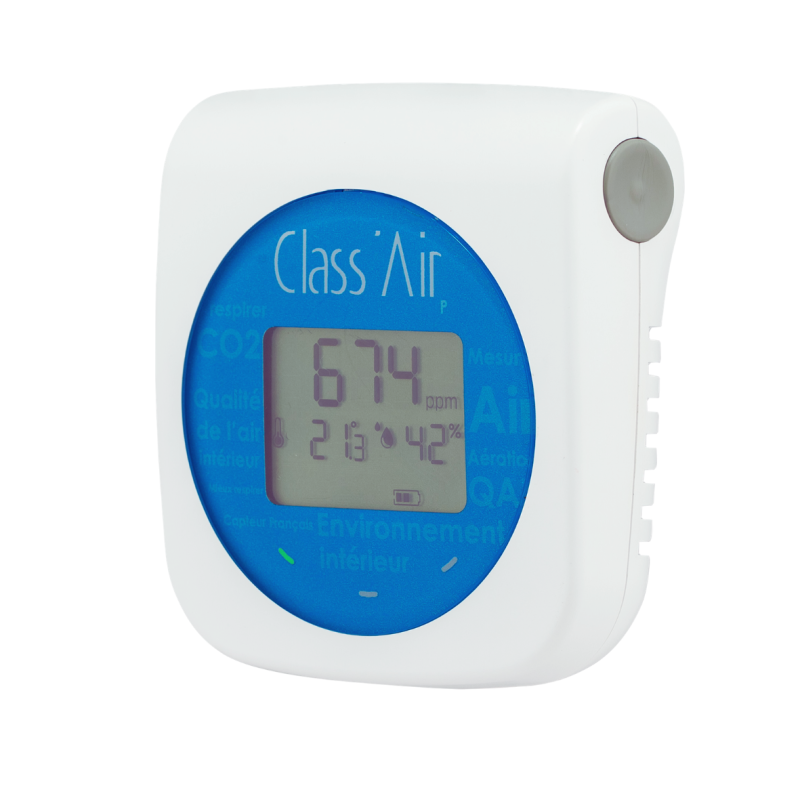
This self-assessment includes an on-site visit by an auditor who will evaluate windows and ventilation systems, take instantaneousCO₂readings, and work with the facility’s team to complete the CEREMA(2) self-assessment checklists. A regulatory-compliant assessment report, including an action plan for managing and improving indoor air quality, will be provided.
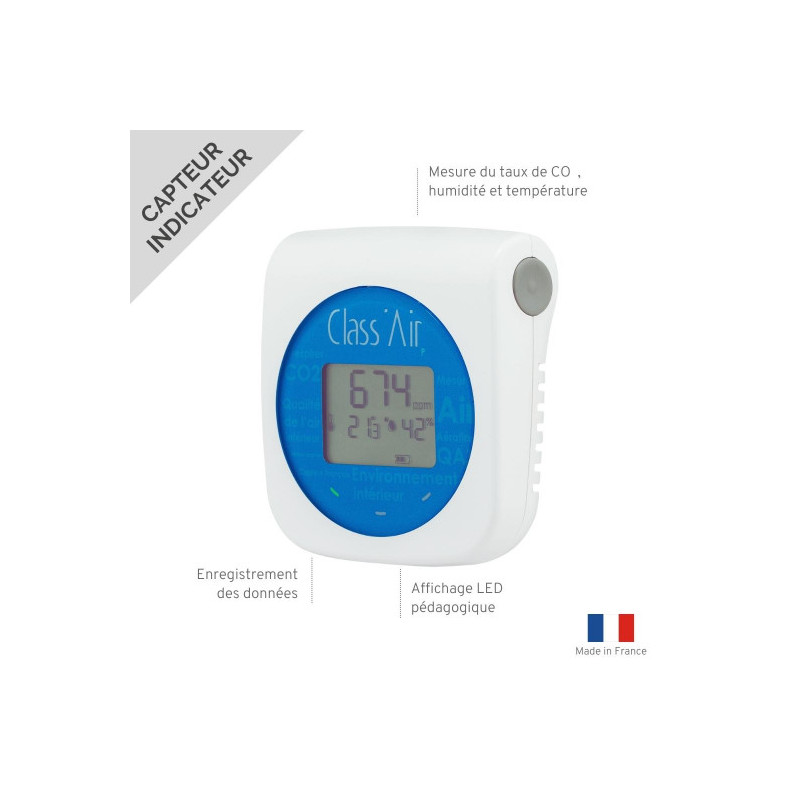
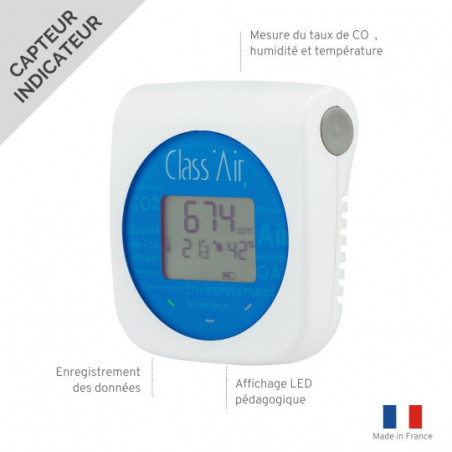
Regulations governing indoor air quality (IAQ) monitoring require public-access facilities (ERP) subject to these regulations to conduct an annual assessment of ventilation systems. This assessment was already required under the regulations prior to the revision of the IQA monitoring procedures. It remains the same, but its frequency—originally every 7 years—has been changed to annually. In addition, the assessment is supplemented by a direct measurement of carbon dioxide (CO2) concentration in the air. This allows for a rapid, real-time assessment of air exchange conditions and the identification of any potential malfunctions in the ventilation systems.
This annual frequency applies to all building owners subject to the regulations, regardless of the size of their building portfolio.
As a reminder, air exchange includes both aeration (manual action such as opening doors or windows) and ventilation (a system integrated into the building to exchange air without human intervention, whether natural or mechanical).
Air exchange is essential for supplying fresh air to occupants, removing moisture, and diluting pollutants present in indoor air.This assessment includes an on-site visit by an auditor who will evaluate the windows and doors and the ventilation systems, as well as take an instantaneous measurement of theCO2level.
A regulatory-compliant assessment report on windows and ventilation systems will be provided.
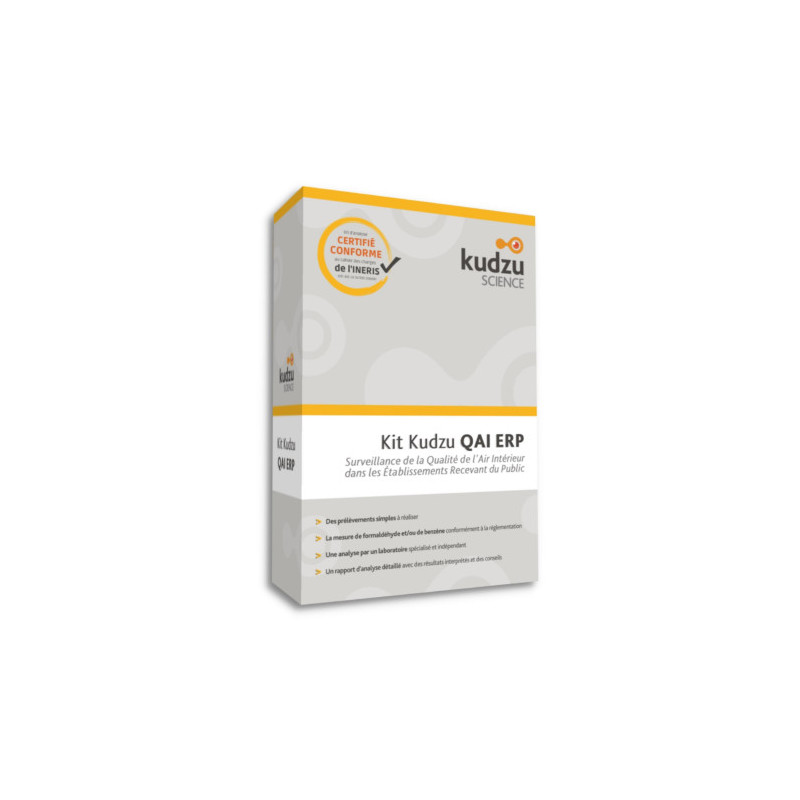
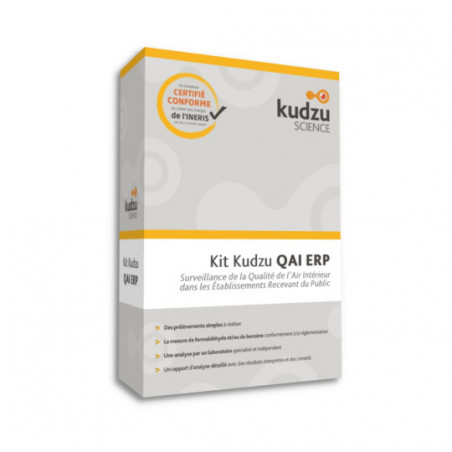
Using indoor air quality (IAQ) assessment kits certified by INERIS. Measuring formaldehyde and/or benzene pollution levels becomes quick and easy to perform.
This analysis kit enables compliance with the regulatory framework for monitoring indoor air quality (IAQ) in public-access facilities (ERP) through self-assessment, as described in the Ministry of the Environment’s “Practical Guide for Better Air Quality in Facilities Serving Children and Adolescents.”
Certified as compliant with INERIS specifications for conducting measurement campaigns for benzene and formaldehyde in the indoor air of ERP facilities (ref. DSC-16-157193-11660, https://kits.qai-ecoles-creches.fr/), this kit enables users to independently conduct indicative measurement campaigns, particularly in daycare centers, preschools, elementary schools, middle schools, high schools, and after-school programs. Learn more about our INERIS certification.
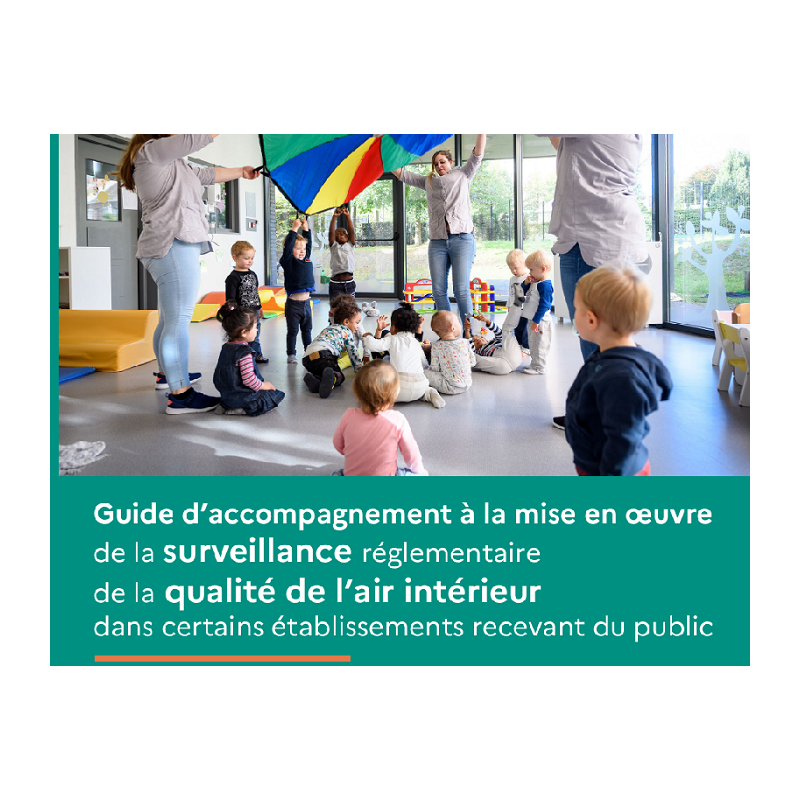
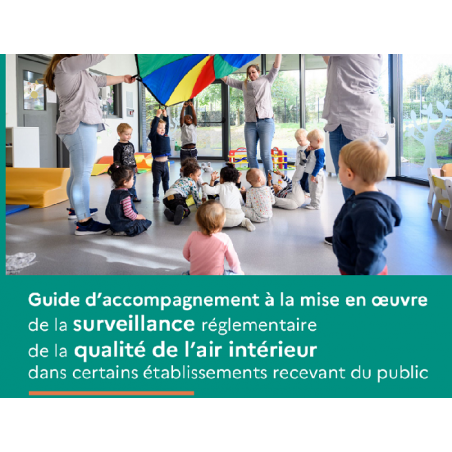
The monitoring of indoor air quality (IAQ) in certain Public-Access Facilities (ERP), under the new regulatory framework effective January1, 2023(1), relies on the implementation of a program of preventive measures and actions to improve indoor air quality (IAQ), in accordance with the “Guide to Implementing Regulatory Monitoring of Indoor Air Quality in Certain Public-Access Facilities” (2).