
Which "Indoor Air" kit should you use?
1/ First,
we recommend conducting a comprehensiveanalysisofyour indoor air qualityusing theDUO Indoor Air kits, which will provide you with a complete analysis of allchemical pollutants,VOCs, andaldehydes that may be present inthe indoor airof your home.
| Kudzu DUO Indoor Air Kit |
|---|
| = Kudzu Aldehydes Kit + Kudzu VOC Kit |
| List of Analyzed Compounds |
2/ Next,
it is recommended that you conduct a second indoor air quality analysis to assess the effectiveness of the preventive measures you have implemented based on the recommendations in your analysis report.

- 1 month afterthe first test if it revealed a high level ofindoor pollutionwith the presence of one or more chemical pollutants at levels that could be harmful to health
- 1 year after thefirst test if it revealed a moderate level of indoor pollution with the presence of one or morechemical pollutantsat levels exceeding Frenchindoor air quality standards.
For this second test, you can use:
-Benzene
- Toluene
- Hydrocarbons
- Aromatic compounds
-Formaldehyde
- Acetaldehyde

| Kudzu Aldehydes Test Kit |
|---|
| Where can aldehydes come from? |
| - Particleboard furniture - Laminate flooring - Adhesives - Tobacco smoke - Foams: insulation, sofa cushions, etc. - Artificial fragrances: home fragrances, scented candles, etc. - Cooking activities: frying, etc. |
| List of analyzed molecules |
| Kudzu VOC Kit |
|---|
| Where can VOCs come from? |
| - Paints: walls, furniture, etc. - Lacquers, varnishes, adhesives - Plastics: children’s toys, etc. - Cleaners and solvents: cleaning and renovation products... - Foams: insulation, sofa cushions… - Artificial fragrances: home fragrances, scented candles... - Cooking activities: deep-frying... |
| List of analyzed molecules |
Which room(s) should I test?
CHEMICAL POLLUTANTS (VOCs and aldehydes)
 |
YOUR LIVING ROOM AND BEDROOM Prioritize testing the air in the areas where you spend the most time: your living room and bedroom in general. |
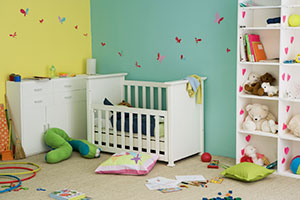 |
YOUR CHILD’S BEDROOM If you have a child, prioritize testing theirbedroom over your own. This is because children are more sensitive to indoor air pollutants that invade our homes. Furthermore, children’s toys and furniture are often sources of pollution that are hazardous to health |
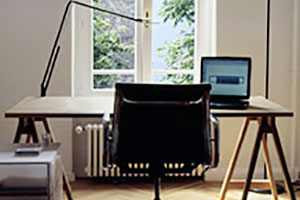 |
YOUR OFFICE If you spend a lot of time inyour office, be sure to test the indoor air quality there as well. |
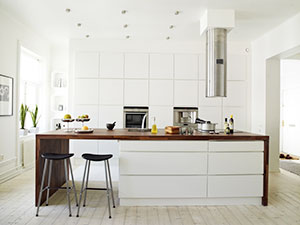 |
YOUR KITCHEN The heat and humidity in the kitchenpromote the buildup of pollutants and increase indoor pollution. If you use a lot of cooking oil or fat when cooking, or if you store a lot of cleaning products in this room, it may be a good idea to measure theindoor air quality. |
 |
YOUR BATHROOM The heat and humidity in the bathroomcontribute to the buildup of pollutants and increase indoor air pollution. The use of cosmetics and the storage of cleaning products in this room aresources of chemical pollutant emissions. |
 |
RENOVATED OR UNDER CONSTRUCTION ROOMS If you’ve completed anyrenovationorremodelingwork(painting, drywall, flooring, etc.) in the last 6 months, consider testing the air in those rooms. We recommend waiting at least 28 days after the work is completed to allow pollutant emissions—and thusindoor pollutionlevels—to stabilize. |
 |
YOUR WORKSHOP OR GARAGE You regularly do DIY projects and spend a lot of time in your garage or workshop.The use of chemicals is very common in DIY activities. In addition, your vehicle, even when parked, emitspollutants that are harmful to your health. Under these conditions, it’s important to test the air quality in these spaces. |
If you’ve purchased a new piece of furniture made of particleboard or if you’ve recently restored an old piece of furniture using varnish, lacquer, or paint, we recommend testing the air quality in that room. It is advisable to wait 28 days after purchasing the furniture or after completing the restoration so that the emission of chemical pollutants and indoor air pollution can stabilize.
INDOOR ALLERGENS
Allergens can be present anywhere in your home. However, there are certain rooms where specific types of allergens thrive more than others.
- For dust mite allergens, we recommend collecting dust from the mattress or rug in your bedroom or your child’s bedroom. Mattresses, rugs, and carpets are areas with high concentrations of dust mite allergens.
- For dog and cat allergens, we recommend collecting dust samples from the room where you experience symptoms, especially if you’ve barred your pet from that room and your symptoms persist. Allergens are airborne and may still be present inside the room despite all the precautions you take.
- For mold allergens, we recommend collecting dust samples from the room where you experience the most symptoms or where humidity levels are highest—such as your bathroom, kitchen, or the room where you hang your laundry to dry.
If you’re dealing with water leaks or mold on a wall in a specific room, test that room first.
Vacuum only areas directly on the floor; mold allergens are airborne and end up in the dust.
When to Take Samples
I don’t want to take my samples as soon as I receive my kit. How long is it valid for?
HAVE YOU PURCHASED AN ALLERGEN OR PESTICIDE DETECTION KIT?
Allergen and pesticide detection kits do not have an expiration date.
HAVE YOU PURCHASED AN INDOOR AIR TEST KIT (DUO, VOCs, and/or aldehydes)?
The expiration date is indicated on the back of your kit.
After this expiration date, the badge’s effectiveness may be compromised, and Kudzu Science can no longer guarantee the reliability of your samples.
Avoid removing the badges from their packaging (aluminum envelope) before taking samples to prevent any risk of contamination.
If you do not use your kit immediately upon receipt, be sure to store the badge in its aluminum envelope in the refrigerator until you are ready to use it. In any case, refer to the instructions for use provided with your kit.
Precautions to Take
What precautions should be taken when collecting samples of chemical pollutants from indoor air?
- Avoid removing the badges from their packaging (aluminum envelope) if you are not taking samples immediately upon receiving the kit, in order to prevent any risk of contamination.
- Store your sampling badge (in the aluminum envelope) in the refrigerator until you are ready to use it.
- Make sure your hands are clean and dry when handling the badges.
- Keep the badges out of the reach of children.
- To collect indoor air samples, place the badges in an unobstructed spot on a piece of furniture (shelf, nightstand, dresser), away from any sources of odors (cleaning products, candles, perfumes, etc.).
- Do not place the badges on furniture that is less than 3 months old or on furniture that has been refinished within the last 3 months.
- Do not enclose the badges inside a piece of furniture or a drawer.
- Do not expose your badges to direct light or sunlight.
- If you have purchased multiple Kudzu kits to test several items, be careful not to mix up the identifiers: for any given item, the identifier indicated on the box packaging must match the one indicated on the sample collection form. For example, you can keep the sample collection form next to the relevant tags.
- We recommend that you do not change any of your daily habits during this sampling period.
Dust Analysis
Why does Kudzu Science analyze dust?
Dust consists of food particles, dead insects, dust mites, bacteria, fungi, and human or pet dander… It accumulates on the floor and on every item in your home, including your furniture, mattresses, clothing, rugs, curtains, and more…
Dust can contain significant amounts of allergens and is a major trigger for people with allergies, causing the following characteristic symptoms: sneezing, a runny nose, eye irritation, and itching.